
DIY to PRO KC

HELPFUL RESOURCES


Are you looking to Upgrade your Flooring?
Is your current flooring starting to look tired and outdated? It might be time to consider an upgrade—and luxury vinyl plank (LVP) flooring could be the perfect solution. Known for its stunning aesthetics, impressive durability, and user-friendly installation, LVP has quickly become a go-to choice for homeowners looking to enhance their spaces.
Why Choose LVP Flooring?
One of LVP’s biggest draws is its visual appeal. Designed to replicate the look and feel of natural materials like hardwood or stone, LVP offers a high-end appearance at a fraction of the cost. Available in a wide range of styles, colors, and patterns, there’s something to match every design preference—whether you're complementing existing décor or crafting an entirely new look.
But beauty isn’t the only benefit. LVP is exceptionally durable. Constructed from multiple layers including a rigid core and a protective wear layer, it stands up to daily wear and tear, including scratches, dents, and moisture. This makes it ideal for busy households, especially those with pets or kids. With proper care, your floors can look brand new for years.
Benefits
Rigid Core LVP: Features a high-density core made from materials like wood plastic composite (WPC) or stone plastic composite (SPC), offering exceptional stability and resistance to warping and damage. A solid choice for long-term performance.
Click-Lock LVP: Uses an interlocking system that allows planks to snap together without glue. This DIY-friendly option is great for those seeking a quick, mess-free installation.
Waterproof LVP: Built with a 100% waterproof core, this variation is ideal for bathrooms, laundry rooms, kitchens, or any moisture-prone space. It provides all the durability and beauty of standard LVP with enhanced water resistance.
Prepping the Floor
-
Clean the floor making sure to remove debris, dust, or remnants of old flooring.
-
Level & Repair and cracks or holes to create a flat surface.
-
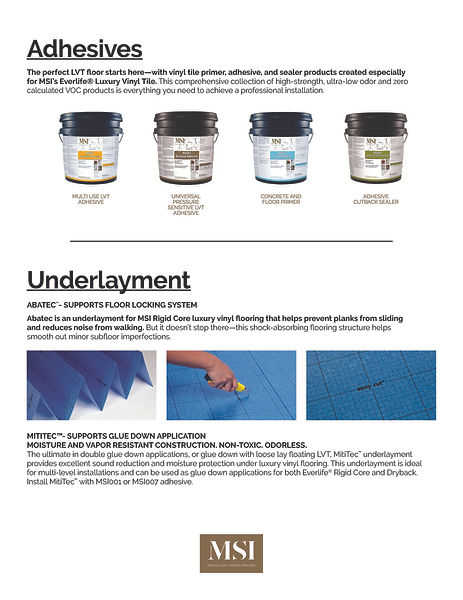
Moisture Barrier will help to prevent any future issues.
-
Review the manufacturer’s prep recommendations.
Acclimating Your Flooring
Follow the manufacturers instructions for acclimation.
-
Acclimate for 48 hours.
-
Keep them in a stable environment away from vents or windows.
-
Temperature and humidity should align with the product's installation guidelines.
Acclimating the planks reduces the risk of future gapping, buckling, or expansion.
Installation
It's time to install. You can either DIY it or hire a PRO.
-
The Layout: Lay some of your planks out to decide on the pattern that you like. Stagger the boards for a natural look.
-
Install Planks:
-
Click-Lock: Snap each piece into place starting from one corner of the room. There is no need for glue on floaating floors.
-
If using a Glue-Down flooring, apply adhesive according to the product instructions, then press the planks firmly down.
-
-
Leave Expansion Gaps according to the manufacturers requirements. Do not install under the cabinets and an island.
-
Cutting the boards- You can use a utility knife, a vinyl cutter or a saw for clean edges. Measure carefully—twice for good measure!
For intricate spaces like around door frames, use templates to guide your cuts.
Maintenance
Maintaining Your FloorsLuxury vinyl plank floors are easy to maintain.Sweep or Vacuum Regularly: Use a soft-bristle broom or a vacuum without a beater bar.Damp Mop with Mild Cleaner: Choose pH-neutral products designed for vinyl.Avoid Harsh Chemicals:
Steer clear of bleach, ammonia, or abrasive tools.
Clean Spills Quickly: Wipe up moisture promptly to avoid staining or slipping hazards.



Benefits of Quartz
Quartz countertops have become a popular choice for kitchens and bathrooms—and for good reason. They offer a combination of strength, style, and practicality that’s hard to beat. From durability to aesthetic appeal, here’s a detailed breakdown of the many advantages quartz countertops provide:
Durability and Longevity
Exceptional resistance to scratches, chips, and cracks
Quartz is one of the hardest minerals found in nature, making quartz countertops incredibly durable and ideal for high-traffic areas. They can withstand the wear and tear of everyday use without showing signs of damage.
Non-porous surface
Unlike natural stones, quartz is non-porous, meaning it doesn’t absorb liquids. This characteristic helps prevent the growth of bacteria, mold, and mildew—making it both a cleaner and safer option for food preparation areas.
Highly stain-resistant
Spills from coffee, wine, or oils are no match for quartz. Its non-porous surface helps prevent staining, so it stays looking new with minimal effort.
Moderate heat resistance
Quartz can handle moderate heat, but it’s important to note that the resin used in its composition can become damaged at temperatures above 150°C (300°F). To avoid discoloration or burns, always use trivets or hot pads when placing hot cookware on the surface.
Low Maintenance
Simple, hassle-free cleaning
Quartz countertops are easy to maintain. A quick wipe with warm water and mild dish soap is usually all it takes to keep them clean. For tougher spots, nonabrasive glass cleaners and microfiber cloths are safe and effective.
No sealing required
Unlike granite or marble, quartz doesn’t need to be sealed periodically. This makes it an ideal choice for those who want the elegance of stone without the upkeep.
Naturally hygienic
The smooth, non-porous surface prevents bacteria and germs from sinking in, making quartz an excellent choice for hygienic kitchen and bathroom environments.
Aesthetic Versatility
Wide selection of colors and patterns
Engineered quartz comes in a vast range of hues and styles—from subtle neutrals to bold, dramatic designs. Whether you’re aiming for a sleek modern look or a more traditional style, there’s a quartz design to match.
Consistent and uniform appearance
Unlike natural stone, which often has unpredictable veining and coloration, quartz offers a more uniform and consistent aesthetic—perfect for those who prefer a cohesive design.
Can mimic the look of natural stone
Want the look of marble or granite without the maintenance? Quartz can be manufactured to closely resemble these materials, giving you the best of both worlds.
Additional Benefits
Adds value to your home
Quartz is a long-lasting investment that enhances both the function and appearance of your space—making it attractive to future buyers as well.
Easier installation
Since quartz is an engineered material, it can be fabricated to fit a wide variety of layouts and spaces with precision and ease.
Eco-friendly option
Many quartz countertops are made using recycled materials and sustainable practices, making them a more environmentally conscious choice compared to some other surface options.
With their blend of practicality, elegance, and minimal maintenance, quartz countertops are a smart and stylish choice for any home. Whether you're renovating a kitchen or designing a new bathroom, quartz offers a long-lasting, beautiful surface that’s built to perform.

Benefits of Carpet
Why Choose Carpet? A Closer Look at Its Benefits
Carpet remains a popular flooring choice for both homes and businesses thanks to its unique combination of comfort, warmth, sound insulation, and safety. Beyond just aesthetics, carpet offers a wide range of practical advantages that make it a smart, versatile option for many spaces. Here’s a more detailed look at the benefits of carpet:
Comfort and Warmth
Soft and cozy underfoot
One of the most immediate benefits of carpet is how comfortable it feels. Its soft texture creates a cozy, inviting environment that’s ideal for bedrooms, living rooms, and family spaces.
Thermal insulation
Carpet acts as a natural insulator, providing thermal resistance (R-value) that helps retain warm air during colder seasons. This added insulation can contribute to improved energy efficiency and lower heating costs.
Creates a warmer atmosphere
Beyond its practical insulation benefits, carpet gives a room a warmer, more welcoming ambiance—both visually and physically. It’s perfect for making a space feel homey and relaxing.
Sound Insulation
Reduces noise levels
Carpet absorbs sound, helping to reduce the transmission of noise between floors and within rooms. This is especially beneficial in homes with multiple stories, apartments, or busy households.
A quieter, more peaceful space
By minimizing echoes and muffling footsteps, carpet contributes to a calmer, quieter indoor environment—ideal for bedrooms, offices, or shared living spaces.
Safety
Minimizes slips and falls
Unlike hard flooring surfaces, carpet provides more traction and a softer surface, significantly reducing the risk of slips and falls—especially important in homes with children or elderly individuals.
Cushions impact
In the event of a fall, carpet helps cushion the landing, reducing the likelihood of injuries. This makes it a safe and practical option for households where safety is a top concern.
Other Practical Benefits
Cost-effective
Carpet is often more affordable than many hard flooring options, making it a budget-friendly solution without sacrificing style or comfort.
Versatile design options
Available in a vast range of colors, patterns, and textures, carpet allows for endless customization. Whether you’re aiming for a bold statement or a subtle backdrop, there’s a carpet style to suit every taste.
Quick and easy installation
Carpet installation is generally faster and less labor-intensive than many hard flooring alternatives, which can help reduce overall renovation time and costs.
Helps hide dirt and imperfections
Carpet’s texture and color variations can conceal dirt, dust, and minor stains, making it a practical choice for high-traffic areas or busy households.
Carpet continues to be a top flooring choice due to its ability to combine comfort, style, and functionality. Whether you're creating a cozy family room or looking for a quiet, safe surface for kids to play on, carpet offers a well-rounded solution that suits a wide range of needs and preferences.

In preparation for your Counters being installed
Please follow the fabricators instructions for the day of install to make everyone's job smooth.
1. Clear the Area
-
Remove everything from your countertops
Take off small appliances, utensils, décor, and anything else on the counters. Installers need a completely clear space to work. -
Empty cabinets under the countertops
Especially the base cabinets—installers might need access underneath to secure the countertops. -
Clear a path
Ensure there's a clear, unobstructed path from the entrance to the installation area. Quartz is heavy and awkward to move, so this helps avoid accidents or damage to walls/floors.
2. Disconnect Plumbing & Appliances
-
Follow the fabricators instructions on disconnecting any appliances, sink etc and if a plumber is needed please let the fabricator know.
3. Final Measurements Must Be Done
-
If you are having new cabinets installed they need to be done a couple of weeks before the counters will be installed.
4. Sinks Cutouts & Outlets
-
We have sink and faucet options. The fabricator will need those measurements to make the correct size cuts.
5. Plan for Limited Kitchen Use
-
Expect the kitchen to be unusable for a few days while preparation of the installation and then the day of installation. Installation usually only takes a few hours, but reconnecting the plumbing and appliances may not happen the same day.
-
Plan meals and daily routines accordingly.

Quartz Maintenance
The most effective way to clean quartz surfaces is by using a mild solution of dish soap and warm water, paired with nonabrasive tools like microfiber cloths and soft sponges to avoid scratching the surface. For tougher spots or a streak-free shine, a nonabrasive glass cleaner can also be used safely. However, it’s equally important to protect your quartz countertops from heat damage. You should never place hot pans, pots, or other cookware directly on the surface, as the resin used in quartz can burn and become permanently discolored or damaged—especially at temperatures above 150°C (300°F). To prevent this, always use trivets or hot pads to create a barrier between hot items and the countertop. Taking these precautions will help maintain the beauty and longevity of your quartz surfaces.


Importance of Carpet PAD
The Importance of a Quality Carpet Pad
While often overlooked, the carpet pad (also known as carpet underlay) plays a crucial role in the performance and longevity of your carpet. It serves as the foundation of your flooring and provides essential support, comfort, and protection.
Extends the life of your carpet
A good-quality carpet pad helps absorb impact from foot traffic, reducing stress on the carpet fibers. This prevents premature wear and helps your carpet maintain its appearance and structure for years to come.
Adds comfort and softness
The pad adds an extra layer of cushioning beneath the carpet, making it feel softer and more comfortable underfoot. It enhances the overall comfort of the flooring, especially in rooms where you’ll spend a lot of time standing or walking.
Improves insulation and soundproofing
Carpet padding can also help with thermal insulation by retaining warmth and reducing heat loss through the floor.
Additionally, it acts as a sound barrier, helping to minimize noise between floors or rooms.
Protects your subfloor
A carpet pad acts as a buffer between the carpet and subfloor, helping to prevent scratches, dents, or damage from heavy furniture or foot traffic.
Better performance overall
With the right carpet pad, your carpet will not only look better but also perform better—providing greater comfort, durability, and support over time.
Pairing Carpet with a High-Quality Pad Makes a Big Difference
One often overlooked tip when choosing carpet is that you can install a lower-grade carpet with a higher-quality carpet pad and still enjoy excellent performance and longevity. In fact, a premium carpet pad can significantly extend the life of your carpet—even if the carpet itself isn’t top-of-the-line.
Why it works:
The carpet pad is what absorbs much of the impact from daily foot traffic. A high-grade pad cushions the carpet from underneath, reducing stress on the carpet fibers and preventing them from matting down or wearing out too quickly.
Benefits of upgrading the pad even with budget carpet:
-
Improved durability – Helps the carpet maintain its structure over time.
-
Enhanced comfort – Makes even a thinner or more affordable carpet feel softer underfoot.
-
Better insulation – Offers improved sound and thermal insulation for a quieter, cozier space.
-
More cost-effective long-term – You get more mileage out of a less expensive carpet, saving you money in the long run.
How to Make Your Carpet Last Longer: Vacuuming & Maintenance Tips
Regular maintenance is key to extending the life of your carpet and keeping it looking fresh and clean. Even if your carpet doesn’t appear dirty, dust, dirt, and allergens can settle deep into the fibers, causing long-term wear. Here's how to stay on top of carpet care:
Vacuuming Guidelines
High-Traffic Areas
Vacuum daily in busy zones like hallways, entryways, and living rooms. This helps prevent dirt, dust, and debris from becoming deeply embedded in the carpet fibers, which can lead to premature wear.
Medium-Traffic Areas
Vacuum at least twice a week in moderately used spaces such as bedrooms or home offices to maintain cleanliness and reduce buildup.
Low-Traffic Areas
Vacuum at least once a week in less-used areas to remove settled dust and allergens.
Homes with Pets
If you have pets, daily vacuuming is recommended to remove pet hair, dander, and dirt tracked in from outside.
Vacuuming Tips for Maximum Effectiveness
-
Go slow and steady: Move the vacuum in slow, deliberate passes to allow it to lift as much dirt and debris as possible.
-
Use the right attachments: Utilize crevice tools and upholstery brushes for edges, corners, and furniture.
-
Check your vacuum: Make sure your vacuum is in good condition with a clean filter and an empty bag or bin to ensure strong suction.
Professional Deep Cleaning
Even with regular vacuuming, professional carpet cleaning is essential. Schedule a deep cleaning every 12 to 18 months to remove ground-in dirt, bacteria, and stains that household vacuums can’t reach. Steam cleaning or hot water extraction methods are especially effective for revitalizing your carpet.
Why Regular Vacuuming Matters
-
Preserves carpet fibers by preventing abrasion from trapped dirt and grit
-
Extends carpet life, reducing the need for early replacement
-
Improves indoor air quality by removing allergens, dust mites, and bacteria
-
Keeps your home looking and feeling clean
By following a consistent vacuuming routine and scheduling occasional professional cleanings, you'll not only keep your carpet looking its best—you’ll also help it last for many years to come.


